Perimenopause Exercise Advice: How to Stay Strong, Energised, and in Control
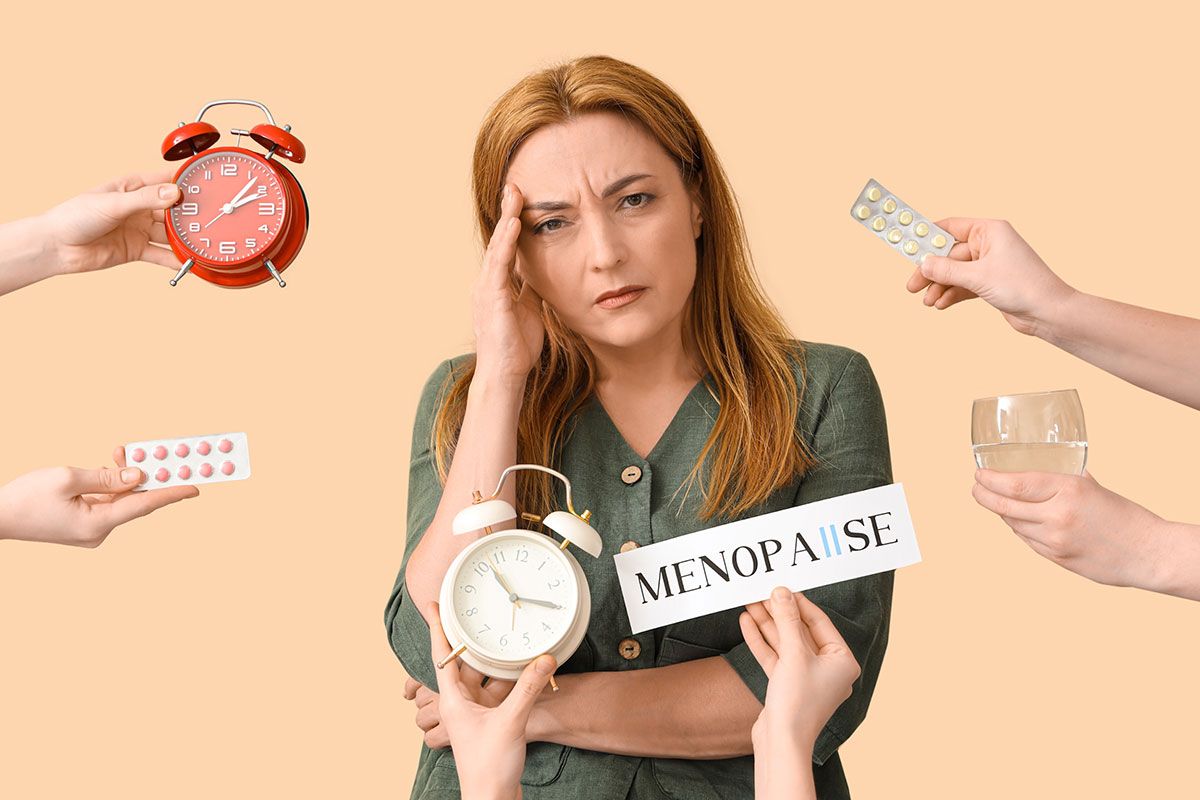
Ladies, let’s get real for a second.
If you’re in your late 30s or 40s, you might be feeling… a little different. Maybe your energy dips more often, your sleep isn’t quite as reliable, or your weight doesn't seem to shift despite doing “all the right things.”
Welcome to perimenopause, and the many menopausal symptoms/menopause symptoms that go with it. It's a stage many women go through without realising it. However for many other women it can be very difficult time of life. But here’s the good news: the right kind of training/physical activity can make all the difference. Strength, energy, healthy weight and confidence? Totally within reach. The key is regular exercise —and I’ll show you how.
At Kelly’s Coaching, I specialise in helping women navigate their fitness through every stage of life, including perimenopause. This guide will keep things simple, fun, and most importantly, actionable.
What Is Perimenopause (and What’s Going On)?
Before menopause officially kicks in, your body goes through hormonal shifts. This stage, known as perimenopause (or perimenopause), can start as early as your mid-30s and last until your early 50s.
Key changes in hormone levels — oestrogen and progesterone—begin to fluctuate, and this can bring:
- Low energy levels
- Mood swings
- Change in stress levels
- Changes in body weight/body composition (hello weight gain)
- Disrupted sleep
- Loss of muscle mass
- bone loss
- Hot flashes/hot flushes
While this might sound a little scary, don’t worry! Menopause affect all women from all walks of life. It's important to talk to doctor and qualified health professional through all the stages of menopause.
As for the exercise part having a smartly designed exercise program with a qualified fitness instructor that has an understanding of menopause can help you manage some of these changes. After all you want to keep your health during menopause is tip top condition.
Why The Benefits of Exercise Matters During Perimenopause
1. Builds and Protects Muscle
As oestrogen drops, you lose muscle mass more quickly. Strength training helps you maintain lean muscle, which keeps you stronger.
2. Boosts Your Metabolism
Muscle burns more calories at rest. Doing resistance training/strength Exercises regularly helps offset the natural slowdown of metabolism and improves metabolic rate.
3. Strengthens Your Bones
Oestrogen protects bone density and improves bone health, so when it fluctuates, your risk of osteoporosis increases. Weight-bearing exercises like squats and lunges are your new BFFs.
4. Balances Mood and Energy
Exercise releases endorphins (those “feel-good” hormones), fights fatigue, and helps reduce stress—exactly what you need during this time. Your mental health is just as important as your physical health.
5. Supports Heart Health
Hormonal changes can impact cholesterol and blood pressure which in turn increase the chances of heart disease. Cardio keeps your heart strong and healthy.
What Types of Training Work Best?
1. Strength Training: Your Secret Weapon
Strength training aka resistance training is non-negotiable during perimenopause. It protects your muscles, bones, and metabolism while giving you that “strong and capable” feeling.
What to do:
- Focus on compound movementslike squats, lunges, push-ups, and deadlifts. Don't overthink things. All strength exercises are good exercises.
- Use resistance bands, dumbbells, bodyweight, or resistance exercise machines.
- Aim for 2-3 sessions per week.
2. Cardio
Cardio keeps your heart healthy, manages weight, and boosts your mood. But don’t think you need endless hours on a treadmill! Try to find types of exercises that you enjoy, as this will make sticking to them easier.
What to do:
- Find some low-impact cardio like walking, cycling, or swimmingthat you enjoy. Not only is this amazing for your body, but it will also do wonders for your psychological wellbeing.
- If you are already a regular exerciser try to incorporate HIIT(High-Intensity Interval Training) 1-2 times a week. Short bursts of effort followed by rest are super effective.
3. Mobility and Flexibility: Don’t Skip This Part
Hormonal changes can make joints feel stiffer. Mobility, and balance exercises keep you moving well and pain-free.
What to do:
- Try yoga or Pilatesonce a week.
- Spend 10 minutes stretching after workouts.
Need a plan? As a Personal Trainer I offer Personal Training in Milton Keynes/Cranfield, and surrounding areas programmes can teach you how to lift safely and effectively. Not in Milton Keynes, Online Coaching might be the answer
Common Challenges and How to Overcome Them
1. “I’m Too Tired to Work Out.”
Hormonal changes can cause fatigue, but movement creates energy. Start with 10 minutes—even a walk—and build from there.
2. “I Can’t Lose Weight Like I Used To.”
Focus on strength training and eating enough protein to support muscle and metabolism. Combine this with regular movement, and results will come.
3. “I Don’t Know What to Do.”
That’s what I’m here for! Whether in-person Personal Training in Milton Keynes/Cranfield or my Online Personal Training programmes provide you with clear, step-by-step guidance.
A Sample Pre-Menopausal Workout Plan

Here’s a simple weekly plan to get you started:
Day 1: Strength Training (30 minutes)
- Squats: 3 sets of 10
- Push-ups (on knees or toes): 3 sets of 8
- Dumbbell rows: 3 sets of 12 (each arm)
- Plank hold: 3 x 20 seconds
Day 2: Cardio (20-30 minutes)
- 10-minute brisk walk
- 30 seconds fast pace, 30 seconds rest x 8 rounds (HIIT)
Day 3: Mobility & Stretching (15 minutes)
- Hip stretches
- Shoulder openers
- Yoga flow (sun salutations)
Day 4: Strength Training (repeat Day 1)
Day 5: Active Recovery
- Gentle walk, cycling, or swimming for 20 minutes.
Why Personalised Support Can Help
Every woman’s body responds differently to pre-menopause, which is why personalised coaching makes all the difference.
At Kelly’s Coaching, I help busy women just like you:
- Build tailored fitness plans that fit your lifestyle.
- Feel supported and confident every step of the way.
- See real results—whether your goal is strength, energy, or simply feeling good again.
The Bottom Line: Take Control, Stay Strong
Pre-menopause doesn’t mean you’re losing control—it’s an opportunity to step up and thrive. By prioritizing strength, movement, and recovery, you can feel stronger, healthier, and more energized than ever.
If you’re ready to take action, I’m here to help.
Ready to Feel Strong and Confident Again?
Explore my:
- Personal Training in Milton Keynes for local support.
- Online Personal Training for guidance wherever you are.
- Follow me on Instagram @kellyscoachingfor tips, motivation, and workouts.
External Sources:
Latest Posts



Services
More
Base
Cranfield Road,
North Crawley,
MK16 9HP
