Beginner's Guide to Weight Training for People in Their 40s
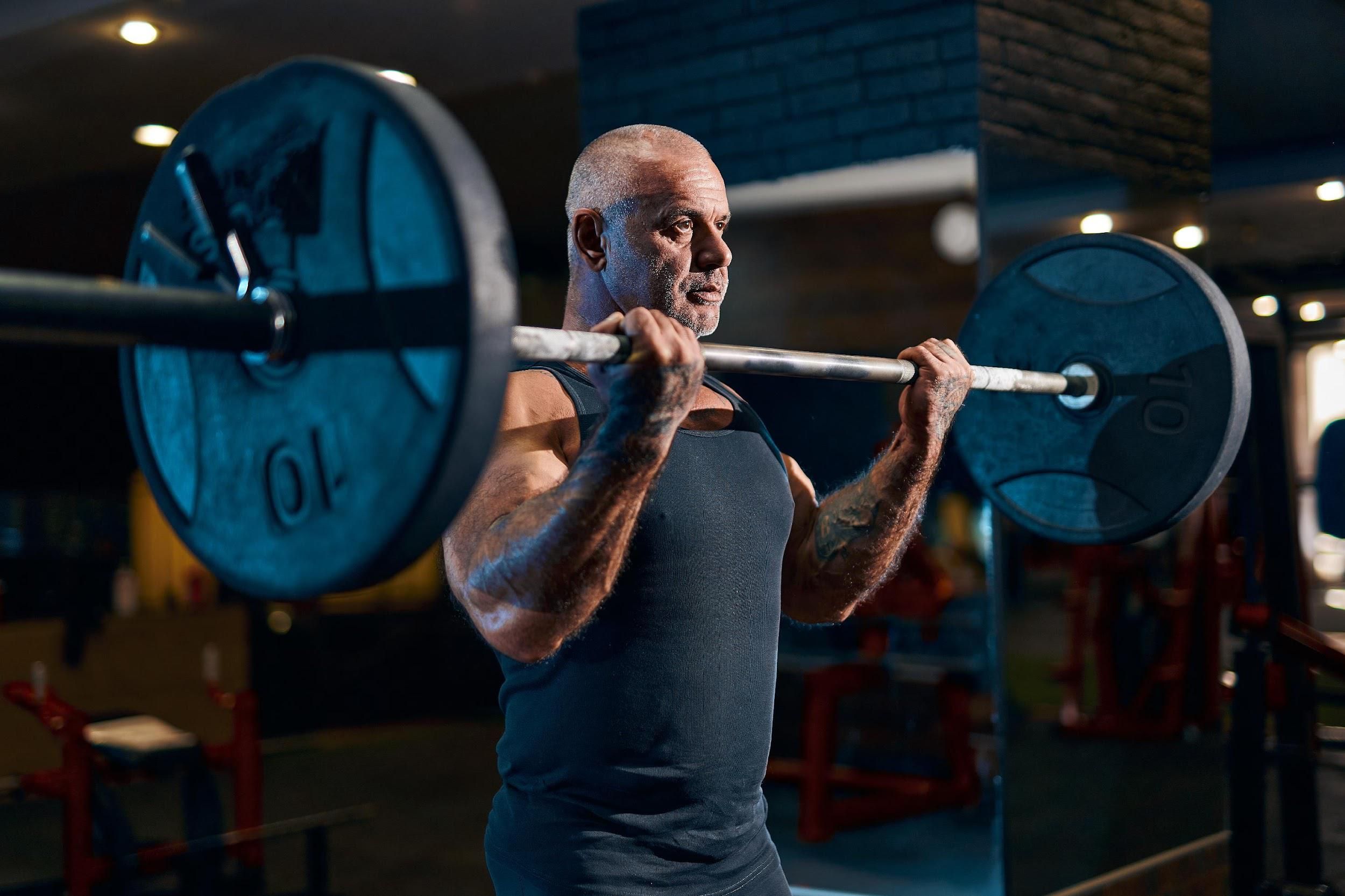
If you're reading this, chances are you've hit your 40s and realised that staying fit isn't as straightforward as it used to be. Maybe you're noticing a few extra aches, energy dips, or body fat levels creeping up, or just aren't feeling as strong as you'd like. Trust me, you're not alone. Being a 40 plus personal trainer with 3 kids I completely understand — and you've come to the right place.
At Kelly's Coaching, I specialise in helping busy people in their 40s reclaim their strength, confidence, and health. And here's the best news: It's never too late to start weight training. In fact, your 40s might be the perfect time!
Why Start Weight Training in Your 40s?
As you enter your 40s, your body naturally begins to lose muscle mass and bone density. Weight training isn't just for building big muscles—it's about keeping your body strong, functional, and resilient for decades to come.
Benefits include:
- Increased strength and muscle tone
- Improved metabolism and fat burning
- Increase lean muscle tissue
- Better posture and reduced injury risk
- Enhanced bone density
- Increased confidence and energy levels
- Better cardiovascular health
Getting Started: What You Need to Know
1. Start Slow and Master the Basics
You don't need to jump straight into heavy weights. In fact, beginning with lighter weights and focusing on perfect form is crucial. Exercises like squats, deadlifts, and bench presses are foundational moves worth mastering first.
2. Frequency and Duration
Aim for two to three weight-training sessions per week. Within the week you need to be working on all major muscles. Each session should be around 30–45 minutes max. This is manageable for most busy 40-somethings and provides plenty of recovery time.
3. Warm-Up is Non-Negotiable
A proper 5–10-minute warm-up helps prevent injuries, lubricates joints, and prepares your muscles. A simple routine involving dynamic stretching and light cardio does wonders.
4. The Difference Between Strength Training and Weight Training
You’ve probably heard the terms “strength training” and “weight training” used interchangeably. While they’re closely related, it’s helpful to understand the subtle differences, especially as you begin your fitness journey.
Weight training specifically involves exercises that use external weights (like dumbbells, barbells, kettlebells, or weight machines) to challenge your muscles. It’s all about building muscle size, tone, and strength through resistance.
Strength training, on the other hand, is broader. It includes any activity that builds muscular strength and endurance—not just traditional weights. This could mean resistance bands, body weight exercises, or even functional training like push-ups or squats without added weights.
For most beginners in their 40s, a combination of both approaches works best. Starting with basic weight training helps build a solid foundation, while incorporating body weight and functional movements supports overall strength, flexibility, and balance—essential for staying healthy, strong, and injury-free long-term.
Essential Weight Training Exercises for Beginners
Here's a simple yet effective plan for beginners to get you started: In this programme we are focusing on compound movements and is a full-body workout.
Squats:
- 3 sets of 10 reps (30-60 rest periods between sets ) – strengthens legs, hips, and core.
Bench Press or Push-Ups:
- 3 sets of 8–10 reps (30-60 rest periods between sets ) – great for chest, shoulders, and arms.
Dumbbell Rows:
- 3 sets of 10 reps per arm (30-60 rest periods between sets ) – builds back strength and posture.
Deadlifts (or Romanian Deadlifts):
- 3 sets of 8–10 reps (30-60 rest periods between sets ) – improves posture, back strength, and overall resilience.
Planks:
3 sets, holding for 30 seconds each – excellent for core stability.
*Don't forget your warm up and cooldown.

Tips for Success in Your 40s
Focus on Proper Form, Not Weight
Technique always comes first. Good form prevents injuries and ensures maximum effectiveness from each exercise.
Consistency Beats Intensity
Regular, moderate workouts are better than sporadic, intense sessions. Consistency over time brings results.
Don't Skip Recovery
Your body needs rest days to repair muscles and gain strength. Incorporate active rest days, like walking, yoga, or gentle stretching (anything that gently rises the heart rate), to speed up recovery.
Nutrition Matters More Than Ever
Weight training is one part of the puzzle; nutrition is the other. Focus on protein for muscle repair, complex carbohydrates for sustained energy, and healthy fats for hormone support. Staying hydrated and reducing processed foods also helps your performance and recovery.
Common Mistakes to Avoid
- Skipping the warm-up: increases injury risk.
- Overtraining: rest is crucial, especially as you age.
- Ignoring flexibility and mobility: include stretching and mobility exercises regularly.
Getting Professional Guidance
Feeling unsure? Want a specific weight training plan for your current fitness level? Maybe you want some videos to go along with basic exercises listed in the plan above, or even just to double check any health concerns you might have before beginning your workout plans. Working with a qualified coach can make all the difference.
At Kelly's Coaching, I offer tailored guidance whether you prefer Personal Training Sessions in Milton Keynes or Online Coaching designed specifically around your lifestyle and goals.
Remember it is always important to contact a medical professional before starting any fitness program regardless of your starting position.
Your Next Step
Starting weight training in your 40s isn't about turning back the clock; it's about building strength, confidence, fitness level, and resilience for the years ahead. You’ve got this—and remember, you don’t have to do it alone.
If you're ready to take action, reach out today (book now) and let's chat about your goals. Together, we'll make your 40s your strongest decade yet!
Fancy more knowledge? Below I have included some great links for further reading.
1. https://www.nia.nih.gov/news/how-can-strength-training-build-healthier-bodies-we-age
2. https://themomedit.com/beginner-weightlifting-for-women-over-40-what-you-need-to-know
3. https://fitbod.me/blog/strength-training-vs-weight-training
4. https://www.menshealth.com/fitness/a19522016/the-40-year-olds-weight-lifting-playbook
5. https://www.healthline.com/health/muscle-recovery
6. https://pubmed.ncbi.nlm.nih.gov/20048505
7. https://www.webmd.com/osteoporosis/features/exercise-weight-bearing
8. https://www.ironindividual.com/blog/importance-of-flexibility-and-mobility-with-strength-training
9. https://www.health.harvard.edu/exercise-and-fitness/how-a-personal-trainer-can-enhance-your-workouts
10. https://www.betterhealth.vic.gov.au/health/healthyliving/resistance-training-preventing-injury
11. https://www.healthline.com/health/active-recovery
12. https://pubmed.ncbi.nlm.nih.gov/17909410
13. https://www.momsintofitness.com/why-strength-training-is-important
14. https://www.mayoclinic.org/healthy-lifestyle/fitness/in-depth/weight-training/art-20045842
15. https://health.clevelandclinic.org/strenuous-workouts-try-these-6-best-recovery-tips
16. https://www.health.harvard.edu/staying-healthy/strength-training-builds-more-than-muscles
17. https://www.muscleandstrength.com/articles/common-weight-lifting-mistakes-made-by-beginners.html
18. https://www.bodybuilding.com/fun/over40_beginner_training_tips.htm
Latest Posts




Services
More
Base
Cranfield Road,
North Crawley,
MK16 9HP
